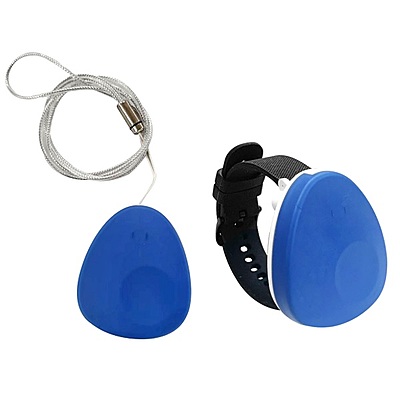






Smart Fall Detection and Personal Safety

Fall detection and personal safety devices raise an alert when someone needs help and cannot call for it themselves. Radar sensors monitor a room continuously and flag a fall or prolonged lack of movement, while wearable buttons let a resident, patient or lone worker summon assistance from wherever they are.

The common thread is reducing the time between an incident and someone attending. In care settings, the period a person spends on the floor unnoticed is closely linked to how well they recover, and in lone working the same logic applies to anyone off site or in a plant room on their own.

Our range covers radar fall detection and presence sensors for bedrooms, bathrooms and single occupancy spaces, wearable emergency buttons, and wireless status indicators for alerting staff.
Fall Detection and Personal Safety

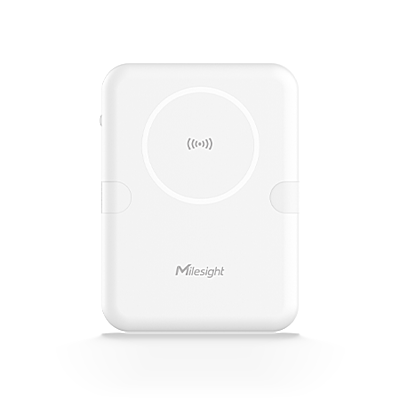
Milesight VS373 Radar Fall Detection Sensor
£215.00
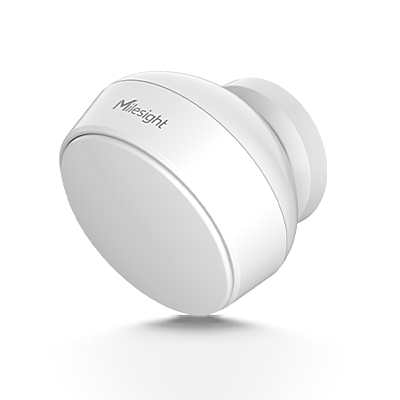
Milesight VS370 Radar Human Presence Sensor
£79.00
Netvox Wearable Emergency Button with Inactivity Detection
£56.16 - £59.53
Kuando Busylight IoT Omega - LoRaWAN - EU, lit up green.
Kuando Busylight IoT Omega - LoRaWAN - EU
£75.00

FAQ

How does radar fall detection work?

A radar sensor transmits a low power radio signal across the room and measures what comes back. Anything that moves alters the reflected signal, and the sensor uses those changes to build a picture of where a person is, how tall they are relative to the floor, and how quickly they are moving.


A fall produces a distinctive pattern: a rapid downward change in height followed by the person remaining at floor level. The sensor compares what it sees against that signature rather than reacting to any single movement, which is how it distinguishes a fall from someone sitting down quickly, bending to pick something up, or lying down on a bed.


Most units also detect the absence of movement. If someone has been motionless on the floor for longer than a set period, the sensor escalates even if the fall itself was not cleanly captured. Because radar reads movement rather than light, it works in complete darkness, through steam and in a bathroom, which is where a high proportion of falls happen and where other detection methods are least usable.

Do fall detection sensors record or watch people?

Radar sensors produce no image, no video and no audio. The device processes reflected radio signals locally and transmits a status, such as presence detected, fall detected or no movement, rather than anything that could identify a person or show what they were doing. This is the main reason radar has replaced cameras in care settings. Bedrooms and bathrooms are precisely the rooms where falls occur and precisely the rooms where camera monitoring is unacceptable, both to residents and under data protection law. Radar lets you monitor those spaces without the intrusion.


It is still good practice to inform residents, their families and staff that detection is in place, and to record the purpose and retention of the data in your privacy notice. The technology removes the privacy objection, but not the duty to be open about it.

What is the difference between automatic fall detection and a wearable emergency button?

Automatic fall detection and a wearable emergency button solve different halves of the same problem, and most sites end up using both. A wearable button is pressed by the person; it works anywhere they go, including outdoors and across a whole site, and it covers situations a room sensor cannot see, such as feeling unwell or being threatened. Its limitation depends on the wearer being conscious, able to reach it, and actually wearing it. Compliance is the usual weak point, particularly at night.


Automatic detection requires nothing from the person. It covers the cases where someone is unconscious, disoriented or unable to reach a button, which are also the most serious cases. Its limitation is that it only covers the room it is installed in.

In practice, buttons suit mobile residents and lone workers who move around, while radar suits bedrooms, bathrooms and any space where someone spends time alone. Using both means a fall is caught whether or not the person can act.

One point worth adding to the page: these are alerting devices rather than medical devices, and they support a staffing model rather than replacing it. If the site operates a regulated nurse call system, it is worth confirming how these sensors integrate with it rather than alongside it.

Items have been added to cart.
One or more items could not be added to cart due to certain restrictions.
Added to cart
- There was an error adding to cart. Please try again.
Quantity updated
- An error occurred. Please try again later.
Deleted from cart
- Can't delete this product from the cart at the moment. Please try again later.