








In large office buildings and multi-site commercial complexes, there is high value in knowing how many people are occupying a space at any given time. Building optimisation is of growing interest and can help with enhancing efficiency across a site. A smart people counter is the perfect investment for a company looking to make these adjustments. These devices are designed to monitor and record the number of people entering, leaving, or occupying a particular area, and unlike manual headcounts or assumptions based on desk allocations, smart counters provide accurate occupancy data in real time that can be used to better serve a building’s management system. In large offices, occupancy levels can vary significantly throughout the day, what with meeting rooms being fully occupies one hour and empty the next, or perhaps with some departments operating at full capacity and others having hybrid workers who only attend on certain days. Without accurate data, it can be hard to manage building resources efficiently.
One of the most common uses for smart people counting sensors is temperature and environmental control, considering the number of people in a room directly affects how hot that room is. You can establish ventilation requirements by understanding occupancy levels and automatically adjust heating and cooling to maintain comfortable conditions whilst avoiding unnecessary energy consumption.
There is also a case for people counting data to help organisations optimise office layouts, as businesses can identify underused meeting rooms and crowded workspaces and work around how to better ensure office space is being used effectively.
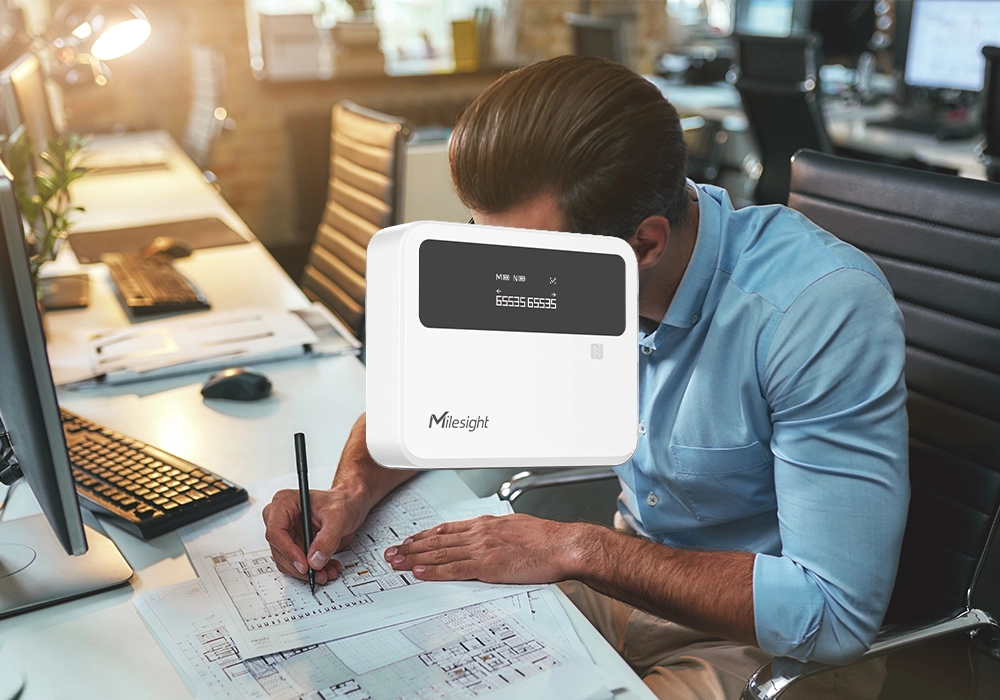
Modern versions of the smart people counter sensor offer a level of reliability that traditional sensors can’t match, however, anonymously tracking occupancy without relying on manual reporting or badge access records to provide more accurate insights into how spaces are actually being used. A lot of solutions also integrate directly with smart building platforms to allow occupancy data to trigger automated actions and generate detailed reports. For larger office complexes, office people counting can also support safety objectives as during emergencies, occupancy information will inform facility teams gauge how many people are present in a given space within a building.
Data is driving building automation and optimisation now more than ever, and to mitigate energy loss and save money, smart office people counting may be just part of a grander solution in responsive decision-making - but it’s a good place to start.
