








When building managers think about environmental monitoring, whether the temperature is dropping or rising often receives most of the attention. However, humidity levels can have an equally significant impact on the performance of commercial buildings. Monitoring and controlling humidity is essential for maintaining a healthy indoor environment and protecting valuable building assets, and a smart humidity sensor could be just the ticket for modern building management systems.
Excessive humidity can cause a range of problems within commercial properties, with high moisture levels encouraging the growth of mould and mildew which can damage building materials and negatively affect indoor air quality. Over time, this can lead to costly repairs and create an uncomfortable environment for anyone in the building, as well as an unsafe place to be.
Humidity also impacts the equipment and infrastructure of a building corroding electrical components and leading to equipment failure when humidity levels are not properly monitored and controlled. Businesses relying on critical systems and technology risk a lot if everything goes down in a power cut caused by humidity.
Of course, low humidity sometimes comes as dry air, which can cause materials such as wood to shrink or crack. Static electricity can become more common around electronic equipment, so maintaining balanced humidity levels with a smart humidity sensor module is therefore important for protecting both building structures and operational assets.
Smart sensors provide continuous monitoring of indoor environmental conditions, allowing building managers to identify issues before they become serious problems. Unlike manual inspections or occasional spot checks, smart sensors deliver real-time data and can automatically alert facilities teams when humidity levels move outside predefined thresholds.
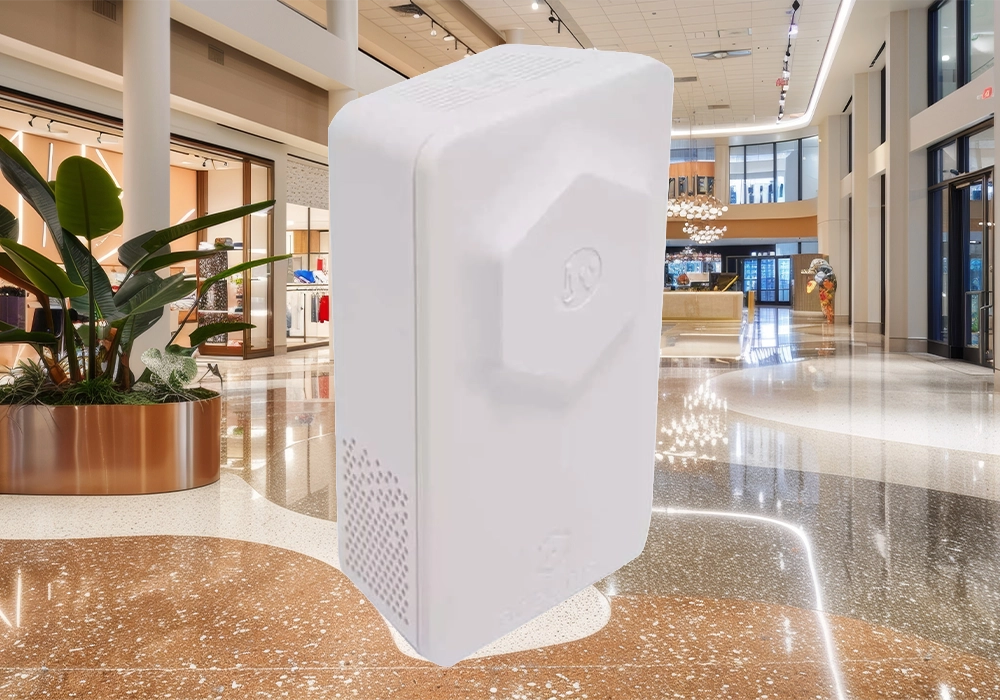
When integrated into a smart building platform, an indoor humidity sensor become even more valuable. Data can be used to automatically control ventilation systems, air conditioning units, and dehumidifiers to maintain optimal conditions throughout the building. This level of automation improves efficiency and reduces the need for manual intervention.
Smart humidity sensors are particularly useful in offices, schools, healthcare facilities, warehouses, data centres, and manufacturing environments where environmental conditions can directly affect operations. By providing accurate, continuous monitoring and seamless integration with wider building management systems, smart humidity sensors help organisations protect their assets. Investing in humidity monitoring today can prevent costly issues tomorrow!
